
6 MAJOR HARD WATER PLUMBING PROBLEMS (AND THEIR SOLUTIONS)
-

Hard water plumbing problems have a way of diminishing your quality of life in a hundred small ways. You may find yourself using double the amount of shampoo just to get a decent lather or an extra scoop of detergent to make sure your clothes are clean.
Spotty cups in the washing machine, scum on your shower walls, and strange plumbing noises are just a few more issues hard water causes. While hard water isn’t a health concern, it can leave you frustrated and potentially cause plumbing issues over time.
The bad news? Hard water is an extremely common problem that won’t go away with a quick DIY fix. The good news is that professional services can install whole-home water softener solutions or provide descaling treatments to keep hard water at bay.
At Conway Services, we fix hard water issues so homeowners don’t have to constantly deal with these annoying (and sometimes costly) setbacks. With your hard water problems fixed, you’ll enjoy cleaner clothes, whiter whites, shinier dishes, and more money back in your pocket. There will also be less wear and tear on water-based appliances and inside your water pipes.
WHAT IS HARD WATER?
As water travels through rock and soil, it picks up minerals like calcium and magnesium. Since water is a solvent, it dissolves the minerals and holds onto them in a solution. In other words, the higher the mineral content, the harder the water.
Some of the sodium used to flush out the minerals remains in your water (and you might notice a slightly salty taste). You can eliminate that problem by installing an under-sink water filter in your kitchen, a device that works hand in hand with your water softener. This option is especially popular among customers on restricted-salt diets.
CAN HARD WATER CAUSE PLUMBING PROBLEMS?
Yes, hard water has a negative effect on plumbing, and you’ll notice it more over time. While a little hard water may cause some sink scum or spotty glassware, it gradually builds to cause bigger problems like clogged pipes and failing appliances.
Chronic mineral build-up becomes sticky and hard, gradually thickening in pipes, fixtures, and general water systems. These issues can result in weak water pressure whenever you turn on the sink or a dishwasher that needs more repairs than usual.
6 HARD WATER PLUMBING PROBLEMS TO LOOK FOR
It’s easy to tell when you have a hard water problem, but not so easy to tell how severe it is. You may have a bigger problem brewing beneath the surface that needs a professional eye.
For starters, you likely have some hard water build-up if you’re seeing the following signs.
1. REDUCED WATER PRESSURE
Does your kitchen or bathroom sink produce a weak trickle when you turn it on? You might also see issues like fluctuating water pressure, such as a sudden spray followed by a regular flow. The mineral build-up creates a gradually narrowing passage for water to flow through, causing it to sputter or slow down.
2. FAILING APPLIANCES
Are you calling for more water heater repairs than usual? You may also have a dishwasher that needs frequent maintenance or a coffee machine that doesn’t work as quickly as it used to.
These signs are easy to overlook as general wear and tear. If you’re calling for repair jobs every year or replacing appliances every few years, hard water is likely speeding up the aging process.
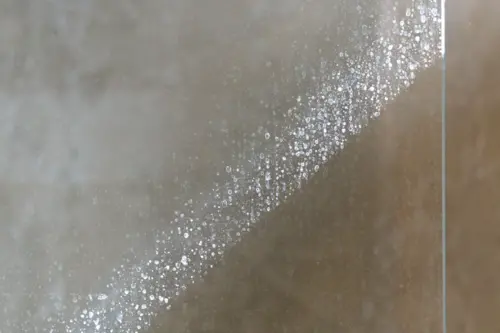
3. VISIBLE RESIDUE
A little white, off-white, or gray scum isn’t usually cause for alarm. Some of that scum can also come from regular soap usage. However, if you’re seeing thick build-up all over your shower walls, bathtub, or sink, that’s a major sign of hard water.
The speed of residue build-up can give you a hint of its severity. If you keep getting scum no matter how frequently you clean each month, that’s a sign you need a professional to look at your water quality.
4. SLOW DRAINS
Have you ever slowed down your nightly dishwashing routine because your sink takes forever to drain? Slow drains can come from hair and soap clogs, but they can also be a sign of hard water build-up sticking to your piping.
5. CORROSION
Hard water plumbing problems can seemingly come out of nowhere, but they usually build up over months (or years). Your pipes already have to deal with temperature changes, aging, and environmental issues like tree roots and ice.
Ongoing corrosion from hard water weakens your piping further and gradually increases its risk of a leak or a crack.
6. DRY SKIN AND HAIR
You should feel soft and refreshed after a shower, not dry and itchy. If you’re applying more lotion than usual after scrubbing off or notice your hair feels limp and brittle, that issue could be from hard water.
HOW LONG DOES IT TAKE FOR HARD WATER TO DAMAGE PIPES?
Hard water damage is a slow, yet steady issue that usually takes several months to two years before it causes an expensive problem. Since its signs can be subtle, it can take a while for homeowners to connect the dots between foggy glassware, chronic water pressure issues, and a hard water problem.
HOW TO PREVENT AND FIX HARD WATER
Fortunately, you can easily fix hard water problems by reaching out to a professional plumbing service. A plumber can test your water’s hardness levels, then provide a few solutions that keep hard water at bay for years.
WHOLE HOME WATER SOFTENER
An expert can install whole-home water softeners that reduce mineral build-up by dissolving common minerals like calcium and magnesium. We’ll set up this mechanical appliance in your water supply system to trade the minerals for something else (usually sodium).
This process, called ion exchange, is a dependable long-term solution for homes with moderate or high amounts of hard water. Instead of unreliable DIY fixes attached to individual fixtures throughout the house, you can trust a whole-home softener to work consistently year-round.
DESCALING SOLUTION
Homeowners can use a descaling option if they don’t want to reduce their water’s mineral content, but still need to protect their pipes. While a water softener reduces most of the minerals passing through your water supply, a descaler changes the minerals’ makeup so they don’t stick to your pipes.
ROUTINE INSPECTIONS
If your water hardness isn’t particularly high, but you worry it could change in the future, schedule yearly plumbing inspections. A professional eye can catch hard-water plumbing problems you miss early, such as testing for certain minerals or reviewing your piping system for cracks and corrosion.
It’s more cost-effective to schedule preventative maintenance visits than to wait for a pipe to burst in the middle of a Memphis storm.
WHEN TO CALL A PLUMBER FOR HARD WATER PROBLEMS
Not sure if you should reach out to a plumber? If you’ve been dealing with any of these problems for the past year, it’s time to get an inspection:
Recurring clogs that don’t respond to DIY fixes
Low water pressure affecting day-to-day life
Scum that keeps returning on fixtures and sinks
Water-heater performance issues
Strange noises from your pipes, like gurgling or whistling
CALL CONWAY SERVICES TO FIX HARD WATER PLUMBING PROBLEMS
Recurring clogs, low water pressure, and scummy bathtubs don’t have to be part of your everyday life. Conway Services has been providing local homeowners in Memphis with plumbing and hard water solutions for 25 years.
Give Conway Services a call for a free in-home consultation on how to improve the quality of your home water supply. You can also schedule an appointment with our simple online form. Our technicians have the right solution for any home and any budget.